
The Changi Chapel and Museum is a space centred on a narrative of remembrance and reflection of the personal stories of prisoners of war (POWs) and civilians interned in Changi prison camp during the Japanese Occupation.
It features 114 artefacts across eight galleries that delve into the daily lives of the internees, their responses to the challenges they faced, and their eventual liberation.
Changi Chapel and Museum: Learn About WWII Across Eight Zones
The Changi Chapel and Museum features a series of indoor galleries that encircle an outdoor courtyard.
YEAR-END CAMPS: Give Your Child's Language Skills A Boost With Themed Camps



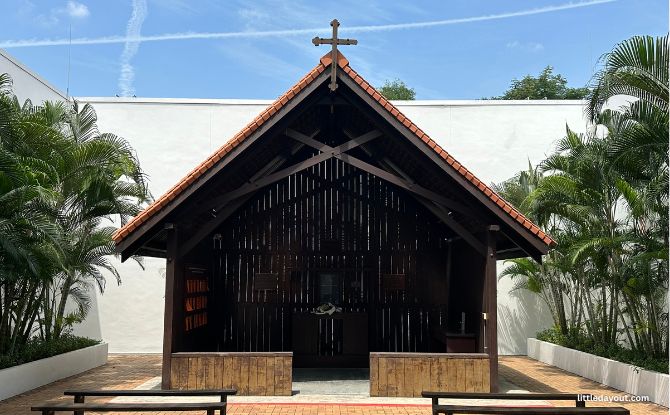
The courtyard holds is a replica of St George’s Church, one of the places of worship that were built in Changi. While you can visit it at the start, we personally prefer to leave it as a last stop.
What to Expect at the Changi Chapel and Museum
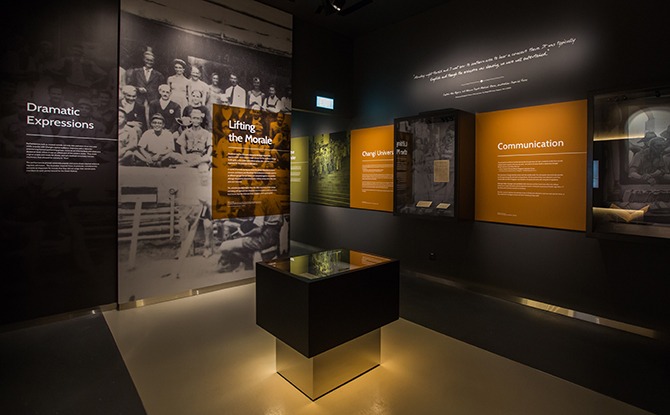
Changi Chapel and Museum is not a large museum, but it is thoughtfully curated and laid out to provide insights about the background to the battle for Singapore and its aftermath, as well as life within Changi Prison.
The museum’s narrative is presented through eight exhibition zones – Changi Fortress, Fallen Fortress, The Interned, Life as POW, Resilience in Adversity, Creativity in Adversity, Liberation and Legacies.
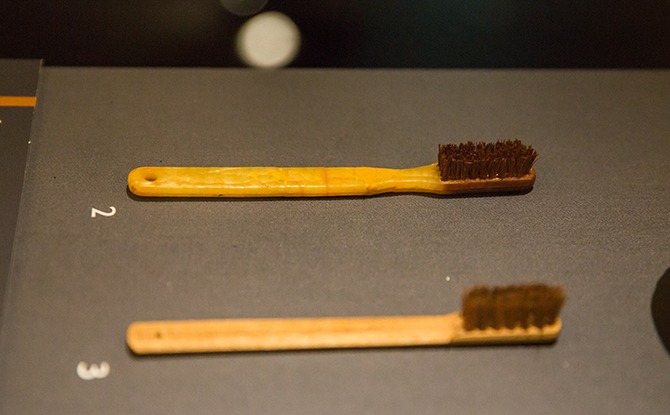
The museum’s collection includes 82 artefacts and objects that are on display for the first time. This includes a never-before-seen 400-page diary, a dinner menu and a toothbrush fashioned from scratch.
The artefacts and exhibits on display at Changi Chapel and Museum convey the stories and experiences of POWs and civilian internees in Changi during the Japanese Occupation in Singapore.
Section 1: Changi Fortress
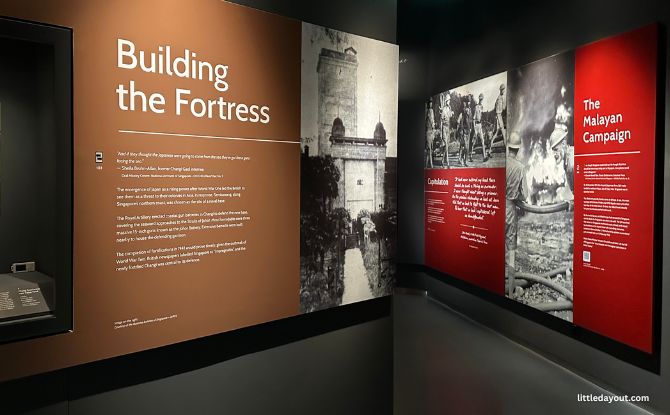
The galleries begin by providing a background to Singapore’s role and significance during the war.
In this first section, you can learn more about the history of Changi.
For the most part of the 19th century, Changi was covered by mangrove swamps and rainforests. This started to change in the 1920s when the British began to construct defences, including batteries and barracks, to protect Singapore from attack.
Section 2: Fallen Fortress
Singapore fell to the Japanese in less than three months after the aggressors landed in Malaya in December 1941. The Fallen Fortress section covers the events leading to the fall of Singapore. It also provides and account about what happened to soldiers and civilians after the British surrendered Singapore to the Japanese.
Section 3: The Interned
Approximately 48,000 soldiers and civilians were marched to Changi where they were imprisoned. You can learn more about the stories of the men, women, and children who were interned in Changi.
Section 4: Life as Prisoners of War
Life as Prisoners of War is where you can step into an exact replica of a Changi prison cell.
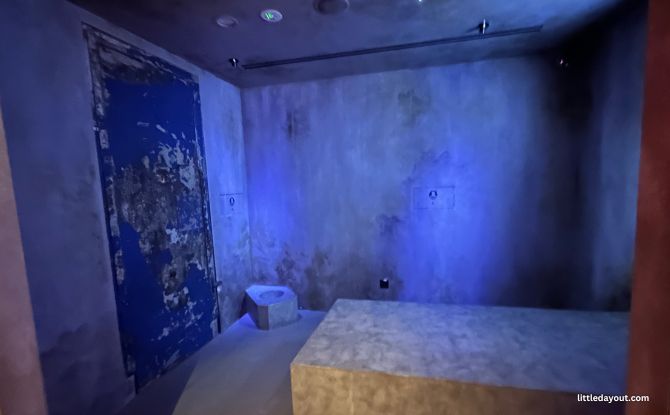
This offers a chance to experience the conditions for internees housed in cramped living quarters and a glimpse of what it was like to be interned at Changi.
Section 5: Resilience in Adversity
Despite their difficult circumstances, the internees still used their resourcefulness and ingenuity to overcome challenges.
In the Resilience in Adversity section, you can get a glimpse of the hardships faced by the Changi internees faced and how they responded to their situation.
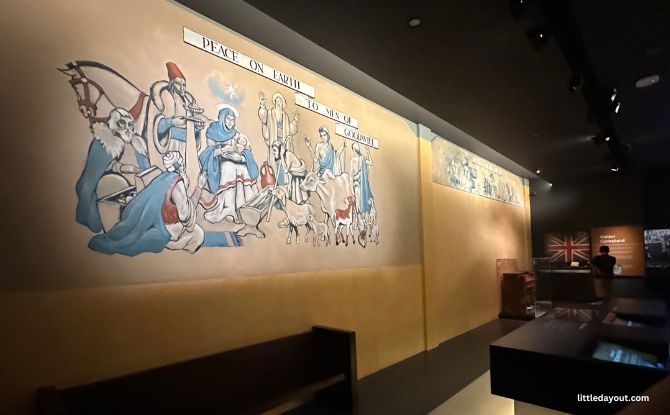
This area also features replicas of the famous Changi Murals.
Section 6: Creativity in Adversity
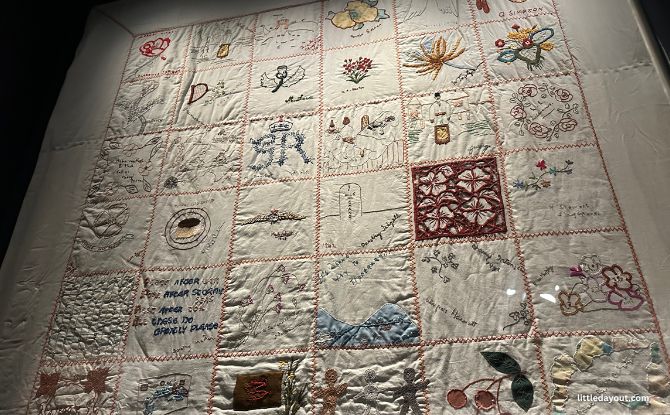
To keep their morale up, the internees would find ways to write, draw, read, craft, play sports, and even stage concerts and plays. Learn more about these activities within the camp.
Section 7: Liberation
The Japanese surrendered on 15 August 1945. In this section, you can learn about the internees’ feelings about their liberation as well as what happened immediately after the war.
Section 8: Legacies
Conclude your visit to Changi Chapel and Museum by learning about the legacy of Changi camp continues to live on in the present day. You can look up the names and stories of the internees, and view some artefacts that were produced to remember how they had survived the internment.
Shop & Cafe
Back at the entrance/exit, you can pay a visit to a small gift shop.
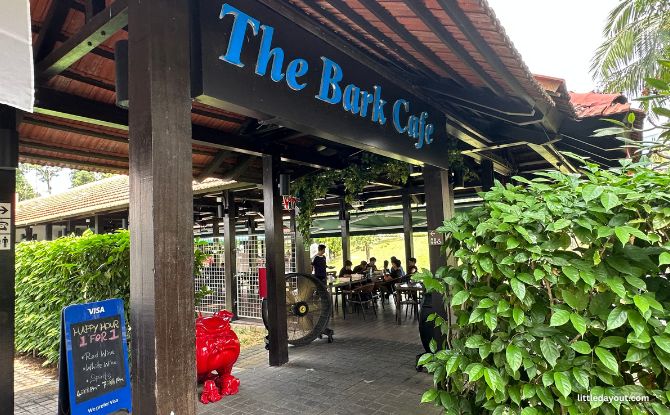
Outside, there is a cafe/restaurant that offers food and beverages.
Visiting the Changi Chapel and Museum
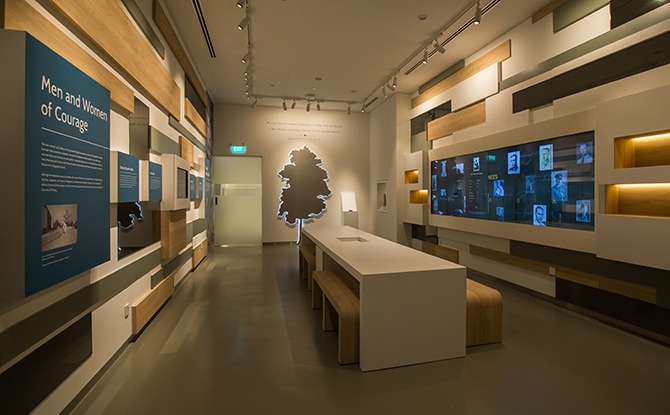
Changi Chapel And Museum is an interesting museum and provides a good introduction to what life was like inside the infamous Changi Gaol.
We appreciated how it also highlights the stories of resilience and the human spirit even in the darkest of conditions, and serves as a tribute to those who were interred at Changi during World War II.
Changi Chapel And Museum is open Tuesdays to Sundays from 9.30 am to 5.30 pm, with last admission at 5 pm. It is closed every Monday except Public Holidays.
Admission is free for Singapore citizens and permanent residents.
If not, the Standard Adult ticket is $9. Concession tickets for Seniors who are 60 years old and above, Students and Special Access visitors are priced at $7. Children who are aged 6 and below enter for free.
Where: 1000 Upper Changi Rd North, Singapore 507707
For more information, visit Changi Chapel and Museum website site here.
If you enjoyed this story, we think that you will also enjoy reading about another WWII museum, Reflections at Bukit Chandu.





![39 Best Museums For Kids In Singapore: A Curated List For Curious Explorers [Updated 2026]](https://www.littledayout.com/wp-content/uploads/Exploria_giants01-218x150.jpg "39 Best Museums For Kids In Singapore: A Curated List For Curious Explorers [Updated 2026]")