
Few things capture the spirit of Singapore quite like a good local breakfast. From fluffy roti prata dunked in curry to a fragrant plate of nasi lemak, kaya toast paired with soft-boiled eggs, or a comforting bowl of bak chor mee, Singapore’s hawker centres and kopitiams serve up some of the most iconic breakfast foods in Southeast Asia.
Whether you’re a local craving nostalgic comfort food or a visitor looking to eat like a Singaporean, here are some must-try Singaporean breakfast foods — and where to find the best versions of each — to kickstart your morning the local way.
13 Local Singaporean Breakfast Foods
Roti Prata
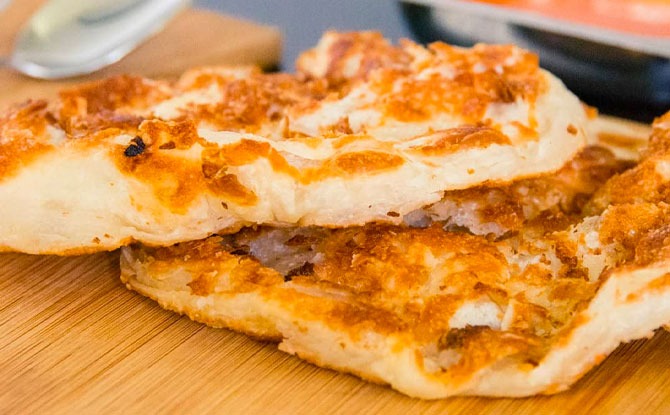
Crispy on the outside, soft on the inside, roti prata is food that hits the spot every time. Roti means ‘bread’, and prata or paratha means ‘flat’ in Hindi. This South-Indian flatbread made by frying stretched dough flavoured with ghee (Indian clarified butter), it is usually served with fish or mutton curry.
YEAR-END CAMPS: Give Your Child's Language Skills A Boost With Themed Camps



Popular prata spots include outlets such as Mr and Mrs Mohgan’s Super Crispy Roti Prata, Sin Ming Roti Prata, Springleaf Prata Place and Prata Wala.
Nasi Lemak
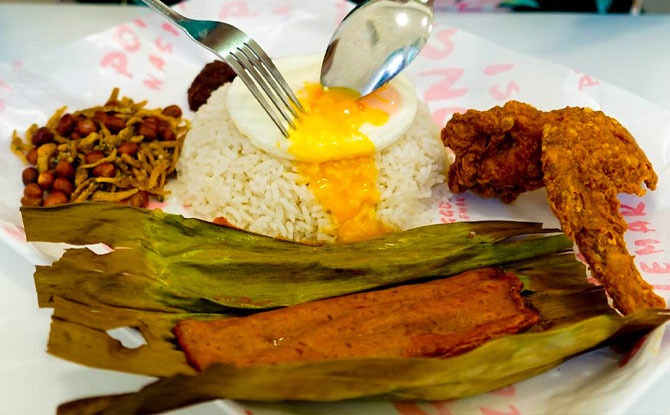
Start the day with the fragrant taste of nasi lemak, a Malay dish consisting of fragrant rice cooked in coconut milk and pandan leaf. It is usually served with ingredients such as a fried chicken wing, eggs, cucumber, ikan bilis (fried anchovies) peanuts and chilli. There are other variations that you can find in Singapore such as the Chinese version which offers a few more varieties of ingredients that you can enjoy on the side.
Well-known names of places that sell nasi lemak include Selera Rasa Nasi Lemak, Boon Lay Power Nasi Lemak and Ponggol Nasi Lemak.
Porridge
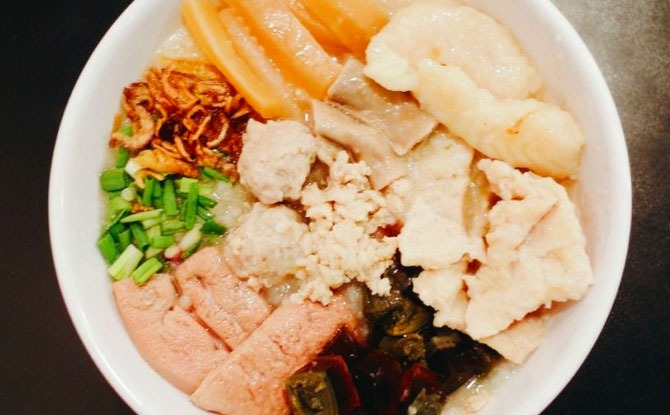
A hot bowl of porridge is like a warm hug to the tummy and soul. Two popular types of porridge that you can find in Singapore are Teochew porridge, which consists of cooked rice grains in a soupy broth and eaten with a selection of Chinese side dishes. There is also canton-styled congee, a soft and creamy porridge base that is usually mixed with minced pork and century egg.
Popular places to get Teochew porridge include Ah Seah Teochew Porridge in Kovan. For Canton styled porridge, well-known spots include Zhen Zhen Porridge at Maxwell Road Food Centre and Sin Heng Kee which is known for their thick and creamy texture.
Kaya Toast
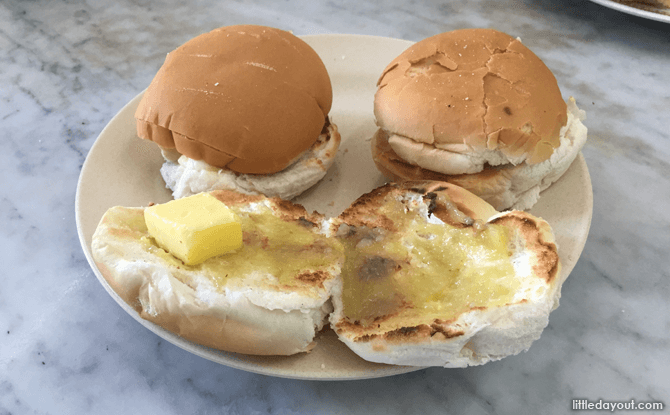
A classic Singaporean breakfast, Kaya Toast, half-boiled eggs and coffee are a personal favourite breakfast, especially after travels away from home. Kaya is a sweet coconut jam and is usually served in between two slices of toasted bread, alongside two half-boiled eggs that can be seasoned with soy sauce and pepper. These days, Kaya Toast is considered not only a national breakfast dish but also a popular snack for tea.
Popular places to get Kaya Toast include the famous Chin Mee Chin, but you can also get it at franchises such as Ya Kun, Killiney Kopitiam and Heap Seng Leong which also serves old school Gu Yu Kopi (Coffee with Butter)
Tau Huey and You Tiao
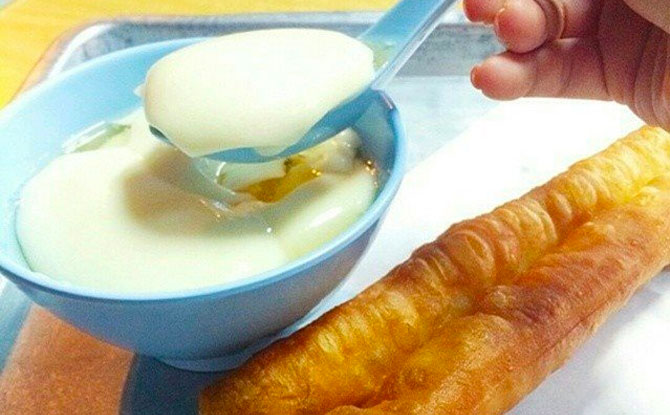
Both a great breakfast and supper dish, Tau Huey and You Tiao is a combination that many might be familiar with. Tau Huey is a soybean curd pudding that traditionally comes served in sugar syrup. Some variations take on a more pudding-like consistency. You Tiaos are fried dough sticks that are similar to churros but much fluffier. The traditional way to enjoy it is to dip the youtiao into the sweet sugar syrup, making it a sweet and savoury treat before washing it down with cold refreshing soy milk!
When it comes to places to get Tau Huey and You Tiao, names such as Rochor Beancurd and Selegie Soya bean are top of the list. One can also find stalls that sell soybean curd and youtiao separately when dining in a coffee shop.
Carrot Cake
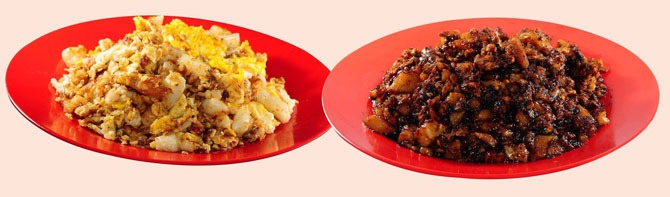
With neither cake nor carrot, the carrot cake in Singapore is commonly known as ‘chai tow kway’ in the Teochew dialect. It is made with rice flour and white radish, which some call white carrot. The mixture is steamed, then cut into cubes and fried with garlic, eggs and preserved radish called ‘chai poh’. It can be found at almost every hawker centre and is served black (fried with sweet dark soya sauce) or white (original).
Song Zhou Carrot Cake is a popular store located in Upper Changi while He Zhong Carrot Cake at Bukit Timah Food Centre. Try Lao Fu Zi Fried Carrot Cake at Bukit Merah View.
Bak Chor Mee
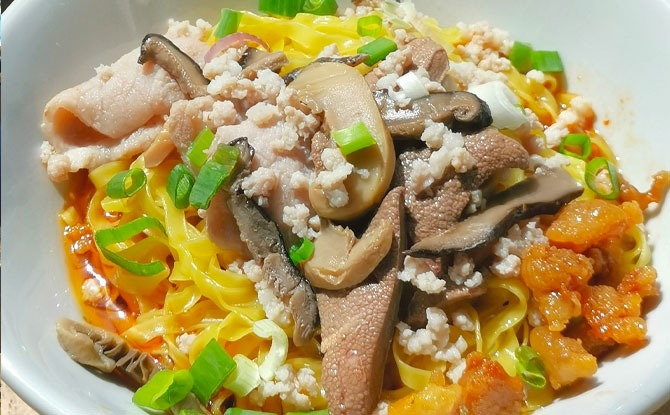
If you’re looking for a hearty meal to start the day, bak chor mee is a dish that can fuel up your tummy for the rest of the morning! A bowl of bak chor mee is made with flat egg noodles, braised mushrooms, and minced pork that’s tossed in a fragrant mix of black vinegar, lard oil, pork stock, fish sauce, and chilli.
This humble bowl of noodles can be found in almost every kopitiam as well but there are well-known spots such as Hill Street Tai Hwa Pork Noodles which received a Michelin star, Seng Kee Bak Chor Mee located at Serangoon Garden Way and has been running for over 30 years and 58 Minced Meat Noodle which has been around since 1973.
Dim Sum
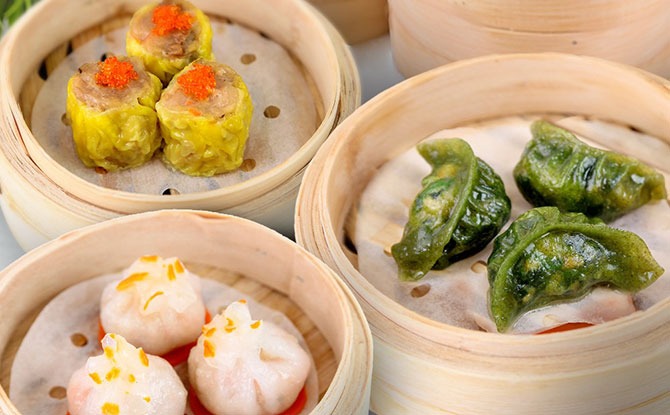
Dim sum is a large range of small dishes that Cantonese people traditionally enjoy in restaurants for breakfast and lunch. In Singapore, due to our history as well as the mix of cultures, the dim sum culture in Singapore has also evolved to include different styles like Shanghainese, Sichuan dishes, and dishes with our local touch. Popular dim sum items include liu sha bao (salted egg custard buns), char siew bao (pork buns), har gao (shrimp dumplings) and Chee Cheong Fun (rice rolls with sauce and sesame seeds).
Check out this list of dim sum places here.
Mee Rubus
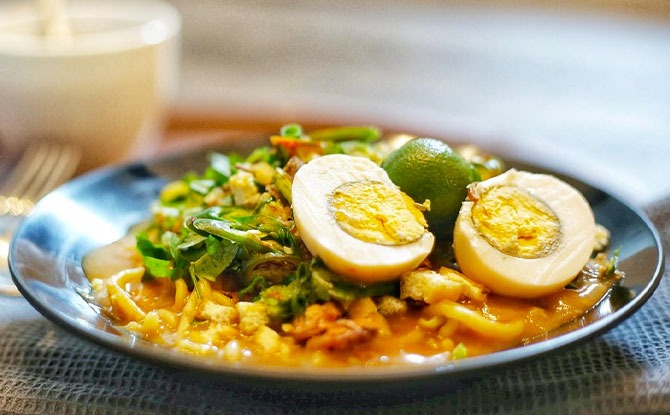
Literally “boiled noodles”, mee rebus is a popular Malay culinary creation. The ingredients of mee rebus are typically included with hard-boiled egg, bean sprouts, fried shallots, tau kwa (fried beancurd) and spring onions. The star of the dish is the thick and spicy potato-based gravy that the noodles are served in.
Try the mee rebus at Suhaime’s located in Geylang Bahru.
Fried Bee Hoon
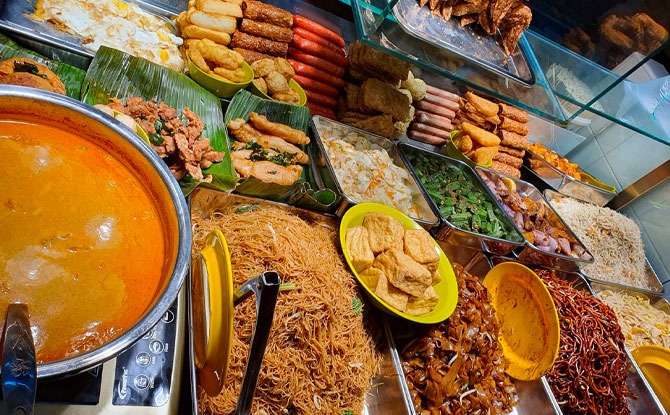
Breakfast on a budget? Economic bee hoon is a staple in our local breakfast scene for its affordability and generous portions. Popular ingredient combinations that are seen in a breakfast plate of fried bee hoon includes chicken wings, a fried egg, luncheon meat, fish cakes and sometimes a side of vegetables as well. There are many other sides which might be switched up from time to time depending on the store.
Economic bee hoon stores that are notable including Yan Fried Bee Hoon at Redhill market and Hougang, 327 Fried Bee Hoon (327 炒米粉) which serves a whole chicken thigh as part of their dishes. Bai Li Xiang Economic Bee Hoon is also another store that offers a variety of affordable dishes to residents in the west.
Chwee Kueh
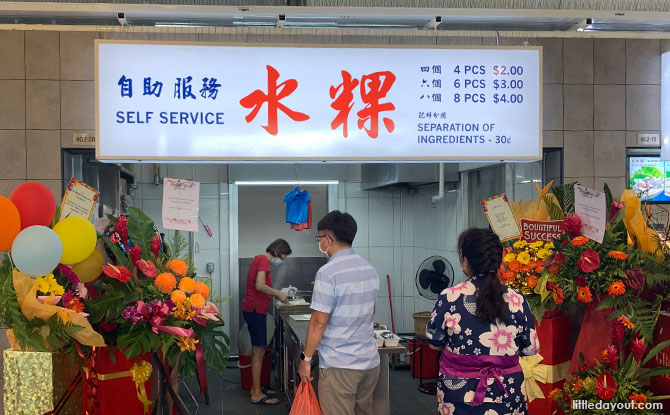
A humble but beloved breakfast staple, chwee kueh (水粿) is a steamed rice cake topped with chai poh (preserved radish) fried in oil, garlic and sometimes dried shrimp. The name literally means “water rice cake” in Teochew, referring to the way the rice flour batter is steamed in small cups until it sets into a soft, slightly springy disc with a small well in the centre — perfect for holding the savoury chai poh topping.
It’s traditionally eaten with a spoonful of chilli on the side, and its simplicity makes it a light yet satisfying way to start the day.
Popular places to get chwee kueh include Jian Bo Tiong Bahru Shui Kueh, a Michelin Bib Gourmand-recognised stall at Tiong Bahru Market that’s been serving its signature dried prawn chilli since 1958, and Bedok Chwee Kueh, another well-loved name known for its firmer, more textured rice cakes.
Mee Siam
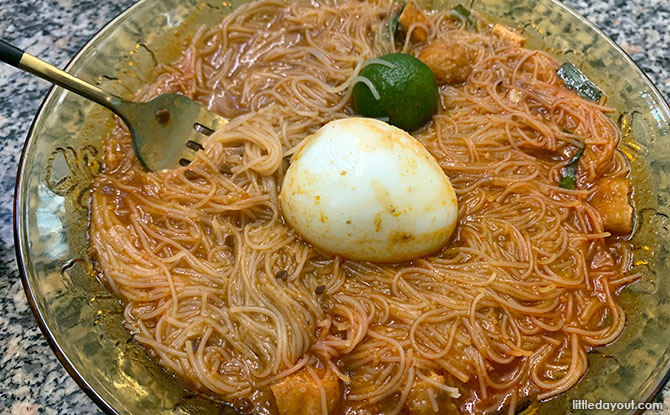
Mee siam is a Peranakan dish of thin rice vermicelli served in a tangy, spicy and slightly sweet gravy made from fermented soybean paste (tau cheo), dried shrimp, tamarind and chilli. Despite its name suggesting Thai origins (“Siam” refers to Thailand), mee siam is actually a distinctly Nyonya creation and doesn’t have a direct equivalent in Thai cuisine.
It’s typically garnished with hard-boiled egg, beansprouts, fried tofu, chives and a wedge of lime, giving it a well-rounded balance of sour, savoury and spicy notes that makes it a flavourful pick-me-up in the morning.
Get your mee siam fix at hawker stalls at Adam Road Food Centre and Golden Mile Food Centre, as well as Katong Shopping Centre, which is known for its Peranakan-style hawker food.
Wanton Mee
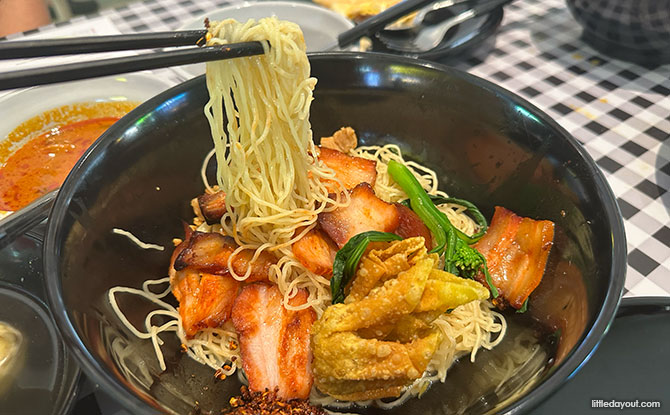
Don’t let its simplicity fool you — wanton mee is one of the most fiercely debated dishes in Singapore’s hawker scene. At its core, it’s a bowl of springy egg noodles (either mee kia, the thin variety, or mee pok, the flat ribbon style) tossed in a savoury-sweet dark soy sauce and lard, topped with slices of char siew (barbecued pork) and served alongside plump prawn-and-pork wantons, either boiled in soup or fried till crisp.
Singapore’s version leans dry and richly seasoned compared to the lighter, soup-based Hong Kong style, and a small side bowl of soup with wantons and vegetables usually comes with it. Every hawker has their own take on the “right” ratio of sauce, noodle springiness and char siew char, which is exactly why locals tend to be so opinionated about their favourite stall.
Popular places to get wanton mee include Fei Fei Roasted Noodle at Joo Chiat, a Michelin Bib Gourmand stall known for its charcoal-roasted char siew and generous prawn-filled wantons; Kok Kee Wanton Noodle in Lavender, a three-generation stall famous for its lard-based chilli; and Eng’s Char Siew Wantan Mee in Tanjong Katong, well-loved for its bold, chilli-forward bowls.