
763 million kg of food waste was generated in 2018 in Singapore. That is equivalent to the weight of 54,000 double-decker buses, which means one bus full of waste every week. Rice, noodles, bread were the most commonly wasted items and this indicates a problem of excess. Thankfully, we have organisations that help reduce food waste such as The FoodBank Singapore. It distributes excess goods and food donations to people who need them thus killing two birds with one stone.
FoodBank’s recent call for volunteers due to the COVID-19 crisis resulting in volunteers dropping out was responded to by many groups coming forward. I saw the call for volunteers by Youth Corps Singapore and registered via volunteer.sg. Slots were taken pretty quickly and a friend was unable to get a slot. So, remember to commit early if you are interested!
What is FoodBank Singapore all about?
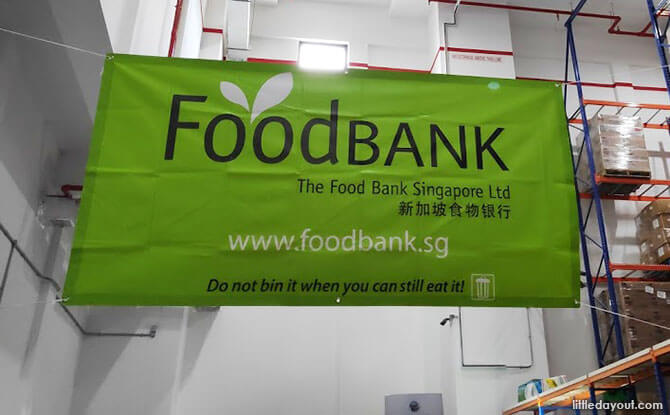 Like its name suggests, FoodBank collects food donations, excess food as well as money to help those in need. It redistributes food to over 300 welfare organisations such as soup kitchens, old folks’ home, community groups with the help of volunteers. It is also a member of the Global Foodbanking Network.
What do Volunteers at FoodBank do?
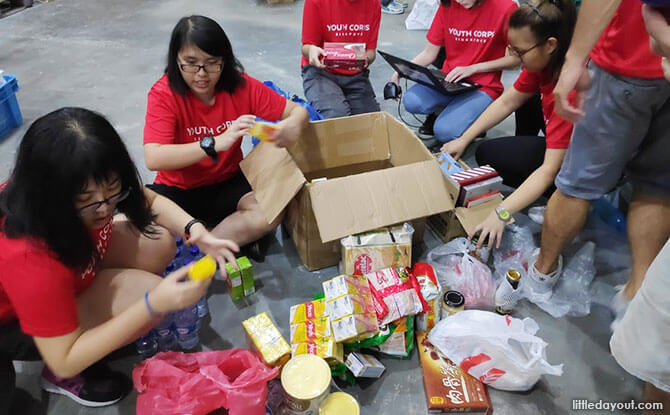 When food donations are sent in, either via the bins placed at various offices and malls, or sent directly to the warehouse, every item needs to be in-processed.
DISNEY ADVENTURE CRUISE: Guide and Tips to Disney's Latest Ship
MARCH HOLIDAY FUN: 20+ Things to with Kids in Singapore


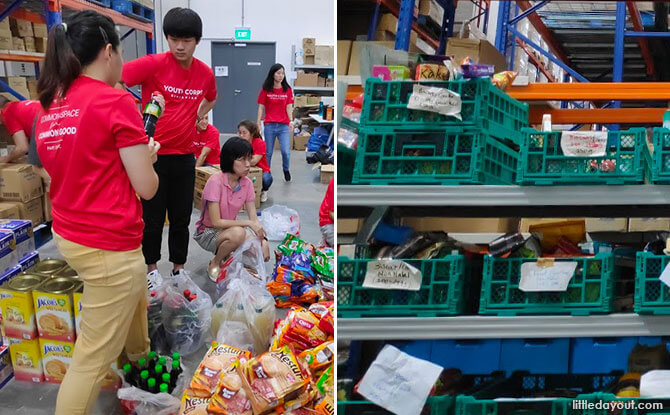
This is where volunteers are needed to sort out the items, check for expiry dates, key in the items’ weight and quantity into the system, and organising them within the warehouse.
FoodBank Singapore also has family-friendly volunteer opportunities. For instance, kids between the ages of 5 and 12 can sign up for Food Bank Juniors Club to learn about reducing food wastage and getting involved in hands on activities, excursions and help out at the warehouse.
My Experience at FoodBank Singapore
Many hands make light work – so I discovered while volunteering at The FoodBank Singapore.
 Together with a group of over 20 volunteers, we could efficiently sort out the donations quickly, key in donations and put them away. I was amazed at how forthcoming people were in terms of volunteering and donating food items. All the volunteers were serious about helping out, no one was fixated on their mobile phones or idling about. Within three hours, we could complete sorting out the donations.
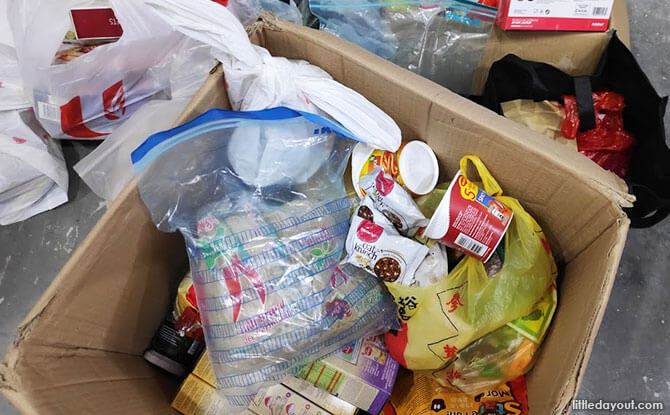
I also saw the uglier side of donations –expired food items, semi-consumed food packets, food with weevils.
These tend to come from individuals who might have mistaken donation bins for rubbish bins. Thankfully, such ungracious behaviour is a small minority of donations. But it still requires time on the part of volunteers to sort them out and log them into the system. It felt like an unnecessary wastage of time and resources which could have been have been avoided if people were simply more aware of what they were putting into the bins.
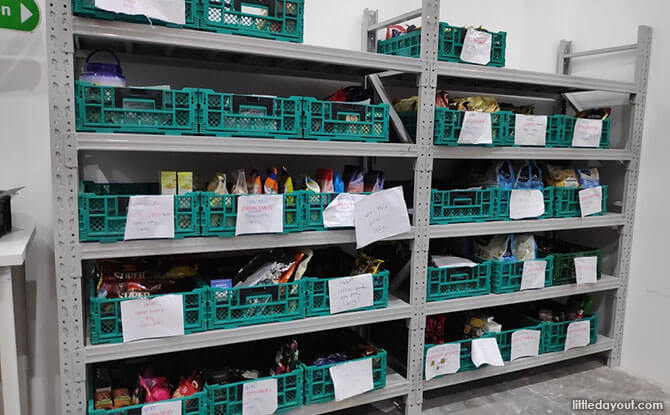 Most of Singapore enjoy an abundance of food. However, there is also a proportion of people who cannot afford meals on the table.
The food which FoodBank Singapore collects, especially rice, noodles, coffee, snacks, canned food, dried goods, gets distributed to people in need. It’s an eye-opener to how the system runs, both reducing food wastage and helping the less fortunate.
During the session, I saw a welfare organisation come by to collect items for the people they serve.
From rice to instant noodles, instant cereal, drinks, cooking oil and so on, it is humbling to know that fellow Singaporeans are helping one another instead of hoarding basic necessities in troubling times.
And, to think that such basic goods are lacking in some Singaporean homes reflects the reality of poverty which exists alongside the riches of our nation.
What You and Your Families Can Do for FoodBank and for Singapore
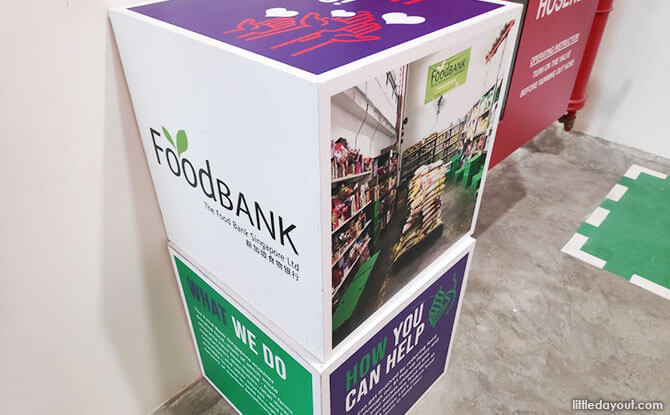 1. Volunteer at FoodBank Singapore! Experience what it’s like sorting out food donations at the warehouse – which is a very family-friendly environment. They welcome volunteers, especially on weekday mornings from Mondays to Thursdays.
2. Make food donations (no expiring items and half-eaten packets please!) by dropping them off at Food Bank boxes islandwide and 25 NTUC Fairprice outlets.
3. Reduce food wastage by not buying more than we need and finishing what we are given. Good food habits start from young and should be nurtured!
Learn more about The FoodBank here.