
Bullying in schools has been in the spotlight of late, with parents deep in conversations online and offline about the right ways to address bullying issues and how to help both the victim and the bully.
In our hyper-connected world, bullying isn’t just about a shove in the hallway. It has morphed into subtle, relational, and digital forms that are far harder for parents and teachers to detect.
For parents, the challenge is clear: we must now navigate a ‘double world’—the real-life social pressures of school, mixed with the invisible, often relentless social ecosystem of their phones.
Cindy Lim, from Our Mindful Pod, shares her insight as a Certified Parent Educator trained in Satir Therapy and Social Work on bullying and how to help our child who has encountered bullying or has bullied.
DISNEY ADVENTURE CRUISE: Guide and Tips to Disney's Latest Ship
MARCH HOLIDAY FUN: 20+ Things to with Kids in Singapore



Dealing with Bullying as a Parent
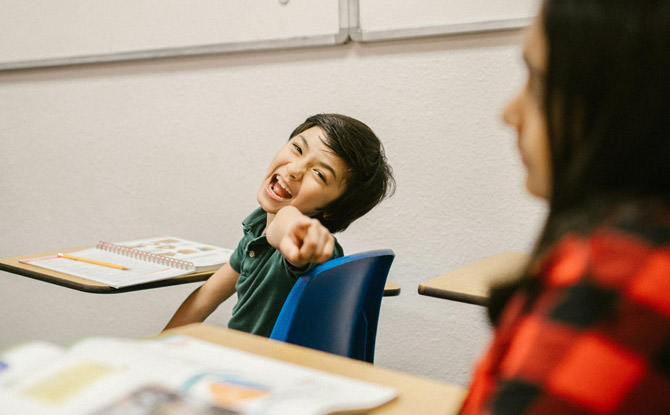
What is bullying? What are the various forms of bullying?
Bullying is more than just conflict between individuals. Bullying happens when someone repeatedly and intentionally causes harm, whether through words, actions, or exclusion, and there is usually a power imbalance that makes it hard for the victim to defend themselves.
In Singapore, schools and community groups recognise several main forms of bullying. The most visible is physical bullying, such as hitting, pushing, or damaging belongings.
There is also verbal bullying, where hurtful words, threats, or insults are used.
Another form is relational or social bullying, which is less obvious but very damaging – for example, spreading rumours, leaving someone out on purpose, or turning friends against them. Increasingly, cyberbullying has become a concern, with young people being harassed or shamed online through messages, social media posts, or group chats.
Different forms of bullying may overlap, and while some are visible, others are hidden but just as harmful.
This is why in Singapore, we see the Ministry of Education and community partners like the Singapore Children’s Society’s Bully-Free Programme had put in place initiatives to help schools respond and to educate both students and parents.
Legal frameworks like the Protection from Harassment Act also provide safeguards, especially for cyberbullying.

Based on my experience in working with children and teenagers, those who are being bullied may not always say so directly. This is often due to fear of reprisal, worry that their account might not be trusted, or simply because they do not know how to express themselves.
Nonetheless, there are signs we can look out for. These can appear in their emotions, behaviour, physical health, and school engagement.
- Emotional / behavioural signs: A child may become unusually withdrawn, anxious, or irritable. Some show sudden mood swings, become easily upset, or avoid talking about school or friends.
- Social signs: They might lose interest in activities they used to enjoy, suddenly avoid social activities, or prefer to be alone. In Singapore’s context, teachers are often vigilant and they sometimes notice students lingering in the library or avoiding the canteen during recess because they feel safer away from peers. When this happens, the teachers might rope in a school counsellor to find out what has happened.
- Physical signs: Unexplained injuries, torn belongings, or frequent loss of money/items. Some children might complain of illnesses such as headaches or stomachaches to avoid school.
- Academic / school signs: A sudden drop in grades, reluctance to go to school, increased absenteeism, or asking to transfer schools.
- Digital signs (cyberbullying): Becoming anxious or upset after using their phone or computer, or suddenly withdrawing from online platforms they used to enjoy.
It is important to note that no single sign confirms bullying. However, when several appear together, or when a child’s behaviour changes noticeably, it’s a red flag.
I always encourage parents to have regular conversations with their children (meal times are the best!) so they know that sharing snippets of their daily happenings is a normalcy – so, when bullying (or any other problem arises) happens, the child will automatically know that they can turn to their parents.
What should the child do when encountering bullying? How about children who have witnessed bullying?
In Singapore, schools encourage students to be “upstanders” rather than passive bystanders. My daughter is a Peer Support Leader (PSL) in school and she often attends trainings to equip herself with skills to look out for classmates.
In my conversation with her school teachers, I learnt that having PSLs is MOE’s approach to create a safer school culture.
Here are some quick scripts parents can adopt:
If your child is bullied:
- “The most important thing is to stay safe. Walk away if you can and don’t fight back.”
- “Tell a trusted adult, like your teacher, counsellor, or parent, what happened. You don’t have to go through this alone.”
- “If it’s online, don’t reply. Take a screenshot and show it to an adult.” (note: it is not encouraged for children and youths below 16 to use the internet without supervision)
If your child knows that someone is being bullied:
- “Don’t laugh or join in. That only makes it worse.”
- “You can help by being kind. Sit with the person at recess, check in with them after, or include them in your group.”
- “If it feels safe, you can say, ‘Stop, that’s not okay.’ If not, go straight to a teacher or adult. Speaking up is helping, not tattling.”
How should parents of the victim handle bullying?

When a child is bullied, parents play a critical role in helping them feel safe and supported. Sometimes, our immediate reaction might be anger and our children might misperceive it as us being angry with them for reporting the bullying. As our children’s caregivers, our response should balance emotional support, practical action, and partnership with the school:
- Listen calmly and validate
- This builds trust so your child continues to open up. The first step is to create a safe space for your child to share. Parents should listen without judgment, avoid blaming, and reassure the child that it is not their fault.
- Acknowledge their feelings
- Bullying can lead to shame or fear. Parents can affirm: “I’m glad you told me. I believe you. We’ll work through this together.” This helps reduce the sense of isolation.
- Gather facts and keep records
- For physical bullying: note down incidents, dates, places, and people involved.
- For cyberbullying: save screenshots and messages. It is best to reach out to the school authorities for support. Simultaneously, it is important to bear in mind that the school needs time to gather facts, hear from various parties and remain neutral in their stand. I always encourage parents to be patient during this process and trust the school in managing the incident with neutrality.
- Work with the school, not against it
- In my experience working with MOE schools, I see that teachers often encourage parents or students to report alleged incidents of bullying early so interventions can be coordinated. Instead of confronting the bully directly, parents should collaborate with the school to ensure the child’s safety and to support behaviour correction.
- Monitor emotional well-being
- Watch for signs of anxiety, withdrawal, or self-harm. If needed, parents can seek help from social workers, counsellors, or actively seek community resources (e.g. Singapore Children’s Society has multiple resources related to bullying https://www.bullyfree.sg/ or helplines like Tinkle Friend, which are managed by professionals supporting students in Singapore).
- Empower the child
- Role-play with them how to respond assertively without aggression (read scripts above).
- Encourage friendships and positive peer groups so the child feels supported beyond the family.
Ultimately, as parents, we should assure our children that they are not alone, and model constructive ways of addressing the problem through calm action and collaboration.
What are the common reasons behind bullying? What should parents do to prevent bullying?
Bullying often stems from a child’s (the bully’s) need for power, insecurity, or influence from peers or environment. As parents, we can play a preventive role by modelling respect, teaching empathy, setting boundaries, and staying closely connected with our child and the school. Prevention is less about reacting to incidents, and more about creating a culture of respect at home that children carry into their friendships.
I will share 7 tips on how we can prevent bullying:
- Model respectful behaviour at home: Children learn how to treat others by observing adults. Parents who show kindness, patience, and respectful conflict resolution set the tone.
- Teach empathy and perspective-taking: Encourage children to consider how their words or actions affect others. Use daily examples or stories to discuss feelings.
- Set clear boundaries: Make it clear that aggressive behaviour, name-calling, or exclusion is not acceptable. Be consistent in consequences and guide the child toward better choices.
- Encourage positive friendships: Help children build healthy peer relationships and resist negative peer pressure.
- Build strong communication channels: Make sure children feel safe to talk about their school life. This helps parents detect early signs of either being bullied or bullying others.
- Partner with schools: Stay engaged with teachers and maintain healthy communication with your child’s form teachers.
- Foster digital responsibility: For older children who need to access the internet or computer for school work, set ground rules for online use and talk openly about cyberbullying, digital footprints, and respectful online behaviour. Always ensure that your children access digital devices with your supervision.
Some resources I found helpful – I use them for my own learning as a mother of 3 and as a coach to parents of children/teens:
Bullyfree.sg – Great resource for parents and professionals in managing bullying
Digital for Life – Understanding digital safety for children
MOE’s Parenting for Wellness guide
Parenting Together – Combat Bullying both Online & Offline
Ultimately, bullying cases are often complex and invisible in some ways. The most powerful tools for raising a resilient, kind, respectful child can be found at home.
By staying present, keeping the lines of communication wide open, modelling empathy and respect equips your child with the inner strength to navigate any social challenge.
For more parenting stories and tips from Cindy, check out our page on parenting.
Read More Parenting Tips by Cindy Lim