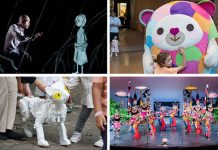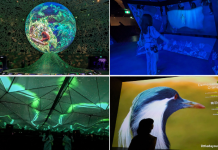

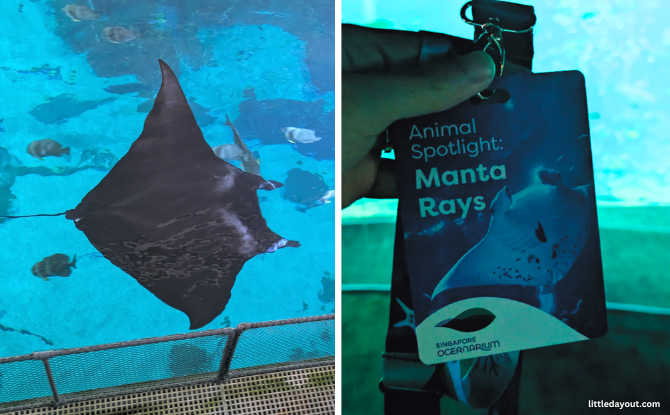
We went on a Manta Ray-themed guided tour at Singapore Oceanarium for a special spotlight on Manta Rays from 6 to 20 September. Besides a 45-minute guided tour with exclusive access to support area, there will be a Manta Ray Mascot meet and greet daily, Manta Ray-inspired food items and souvenirs, storytelling and expert-sharing about rays.
Here’s what you can expect from the 45-minute guided tour all about Manta Rays.
DISNEY ADVENTURE CRUISE: Guide and Tips to Disney's Latest Ship
MARCH HOLIDAY FUN: 20+ Things to with Kids in Singapore


What We Found Out About Manta Rays at Singapore Oceanarium from Animal Spotlight
The Three Amigos
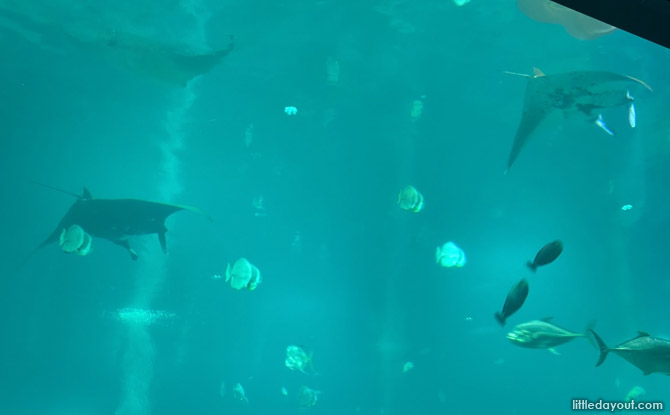
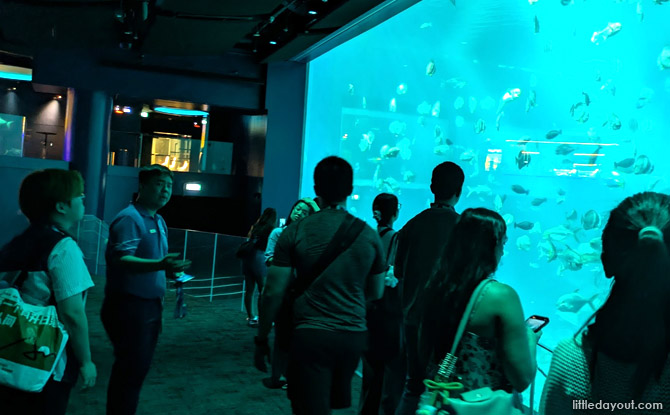
We started our tour at the Open Ocean and learnt about the three Manta Rays residing at Singapore Oceanarium. All three of them are males with names chosen by the manta rays themselves!
They all look distinct from each other with Manja having a heart-shaped pattern, Mako which is all-black and Mika with white patterns on its top.
Our guide Bryan is a Singapore Oceanarium education guide who cheerily took questions and shared with us the inner workings of caring for the thousands of marine creatures.
Identifying Manta Rays
There are many different rays to see at Singapore Oceanarium. Identifying the Manta Rays is easy – they have protrusions which help them as filter feeders. They are also the largest kind of rays at Singapore Oceanarium which means it is easy for everyone to spot them at the Open Ocean habitat.
Feeding on Zooplankton
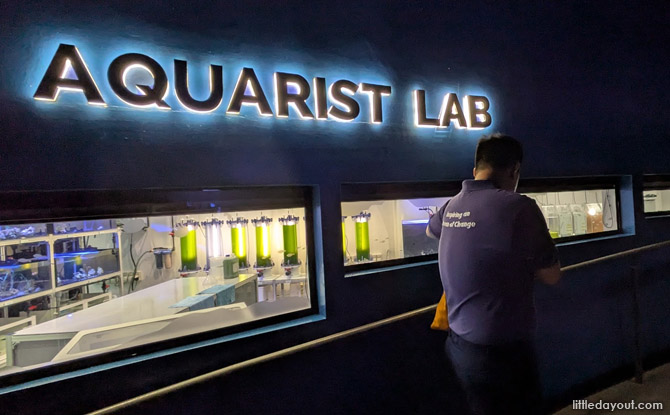
Feeding the marine animals is a mammoth effort. We peeked into the Aquarist Lab to see how plankton was being cultured for feeding purposes. We also had a chance to view the Food Preparation Lab where aquarists start the food prep early in the morning.
We saw one Manta Ray feeding while somersaulting continuously in the water. This was an efficient way of feeding which takes up less energy when there is an abundance of zooplankton.
Plankton – Did you mean the miniscule villain in Spongebob Squarepants?
We often think of plankton as microscopic organisms. But plankton just refers to creatures that are unable to swim against the ocean currents. Sea jellies are considered plankton! Manta Rays feed on Zoo plankton which are animal-like plankton such as krill.
Feeding the Sea Creatures
Singapore Oceanarium prepares 1600 kg of food on a weekly bases for the marine animals! The seafood feast consists of many kinds of food such as cockles, crab, ikan kuning and more. The food is portions every morning according to habitat. Visitors who sign up for the tour get to check out the room where food preparation is done.
Not only is seafood prepared, Vitamin C supplements are also prepared for the sea creatures. Manta Rays eat 4 to 5 kg of krill each meal, once in the morning and once in the afternoon.
Checking Out the Open Ocean Habitat from Above
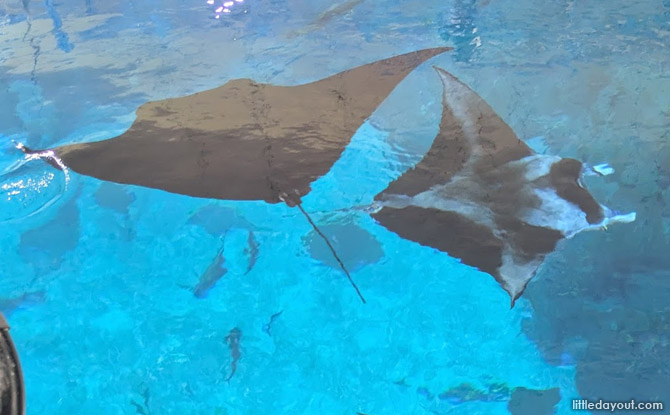
One big perk besides checking out the support areas was the access to the Open Ocean habitat from above! It was so huge like an Olympic sized pool which uses water around Sentosa. Bryan, our guide, shared how animals were fed. Bottom dwelling animals are fed using dive feeding where aquarists dive to deeper parts of the tank while the animals that swim closer to the surface get fed at the surface.
Trained to Feed
Manta Rays are trained to know when it’s feeding time. Aquarists tap the water surface and they would go to the usual spots for their food. Since Manta Rays have the largest brain to body ratio, they are easily trained for targeted surface feeding when a bucket of krill will be poured right into their open mouths.
Microplastics & Plastics Endangering Marine Life
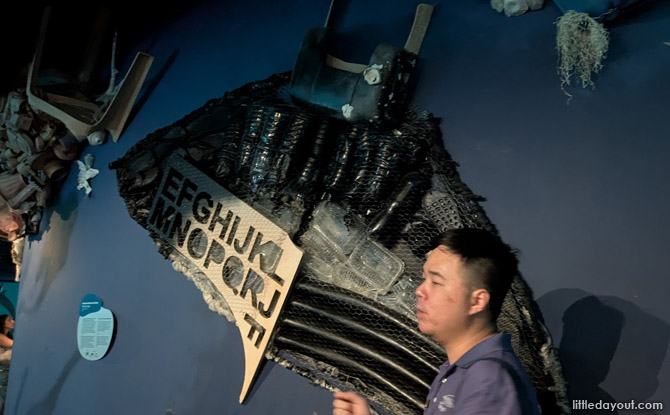
We ended the tour back at the Open Ocean habitat where we could see a wall of art made out of ocean waste from a beach clean-up.
The message on how plastics can harm marine life especially filter feeders rang loud and clear. Microplastics can block digestive tracts of creatures like Manta Rays and Whale Sharks.
Manta Rays are also hunted for their gill plates believed to cure ailments though not proven to be true. We were reminded of our part to play in microplastics products for instance avoiding the use of handwash with tiny beads of facial wash with exfoliators that contain microplastics. This can also results in us then consuming the seafood that ingested the microplastics.
Manta Ray Animal Spotlight and Other Highlights for September School Holidays
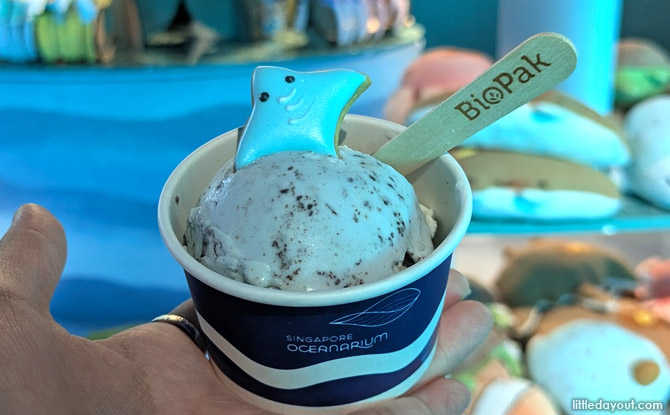
At an add-on of $28 per person, visitors to Singapore Oceanarium can join in the guided tour conducted at three different timings per day. Meet & Greet Manta Ray mascot happens daily at 3 pm from 6 to 20 September too!
Join in the storytelling at National Library Building on 6 September and hear expert sharing on Manta and Devil Rays on 13 September at Singapore Oceanarium’s Research and Learning Centre. Find out more about the programmes from Singapore Oceanarium’s site.