


Does the word “trauma” scare you as a parent or a teacher? Knowing about trauma is part of ensuring one’s mental well-being. We continue the previous article on mental well-being with more how-tos and being trauma-informed.
OTR Academy: Empowering All to be Mental Wellbeing Champions
The Over The Rainbow Academy (OTR Academy) community-powered model bridges the gap between professional mental health services and everyday support. It trains everyday people to become mental wellbeing champions.
Through practical, science-based courses, participants learn how to recognise early signs of mental distress and provide empathetic, informed support before problems escalate. The goal is to build a culture of care where someone doesn’t have to be in crisis before they’re seen, heard, and supported.

DISNEY ADVENTURE CRUISE: Guide and Tips to Disney's Latest Ship
MARCH HOLIDAY FUN: 20+ Things to with Kids in Singapore



We speak to Yen-Lu Chow, founder of OTR Academy to continue to share how parents can support their children more, the importance of being trauma-aware and equipping ourselves to create safe spaces.
How can parents support their children more to ensure the family’s mental well-being?

Parents can support their children—and the family’s overall mental wellbeing—by creating a home environment where emotional health is prioritised and by being strong role models. This means demonstrating calmness, kindness, and respect, even in difficult moments. Rather than relying on punishment, parents can teach accountability by helping children understand the “laws of harvest, cause and consequence” and leading by example.
Supporting children starts with supporting oneself. Just as we invest in our careers, finances, or hobbies, parenting also requires learning, reflection, and self-awareness. It’s not something we instinctively know how to do—it takes understanding ourselves and developing our own emotional skills before we can create a loving, resilient home for our families.
Parents can seek out like-minded communities, or join dedicated courses such as those offered by The OTR Academy, which equip adults with mental health knowledge, self-care strategies, and practical intervention skills. These tools help parents respond to children with empathy, care and connection, building a strong foundation for the family’s emotional wellbeing.
Tell us more about being trauma-aware and its importance.

Being trauma-aware means understanding that harsh or harmful experiences—whether emotional, verbal, or physical—can have lasting effects on a child’s development and wellbeing. Discipline rooted in anger, shaming, or criticism doesn’t teach accountability; instead, it teaches fear, and can contribute to anxiety, low self-esteem, depression, and long-term emotional scars.
Trauma awareness also helps us see the bigger picture: children who bully or act out are often carrying their own pain. Their behavior is frequently a response to earlier harm or unaddressed struggles, rather than simply “bad behavior.”
The key is sensitivity and connection. True accountability and growth come not from punishment or fear, but from creating an environment of psychological safety—where children feel understood, supported, and guided rather than shamed. By being trauma-aware, parents, teachers, and caregivers can respond in ways that heal, protect, and empower rather than inadvertently inflict further harm.
How can OTR Academy support parents and teachers in becoming more trauma-aware?
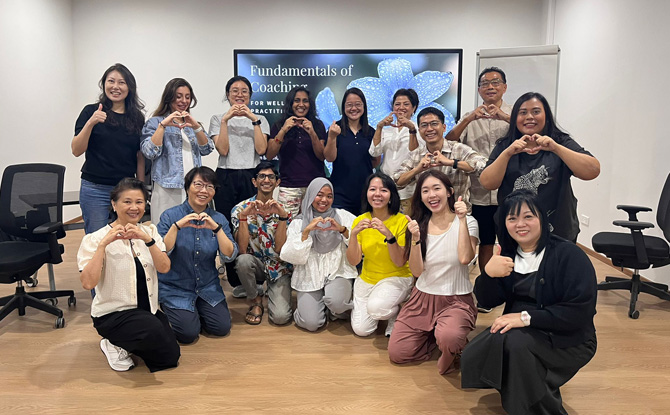
The OTR Academy helps parents and teachers become more trauma-aware by equipping them with practical skills to act as frontline mental health practitioners. The dedicated training focuses on teaching adults to notice early signs of distress, approach issues with curiosity and care rather than blame or shame, and respond with empathy and support.
This proactive approach positions parents and teachers as anchors of resilience in their own homes, classrooms, and communities. Graduates of the Academy are already applying these tools in real life—integrating wellbeing practices into classrooms, guiding children with care at home, and fostering a community of shared learning and support that extends far beyond the training itself.
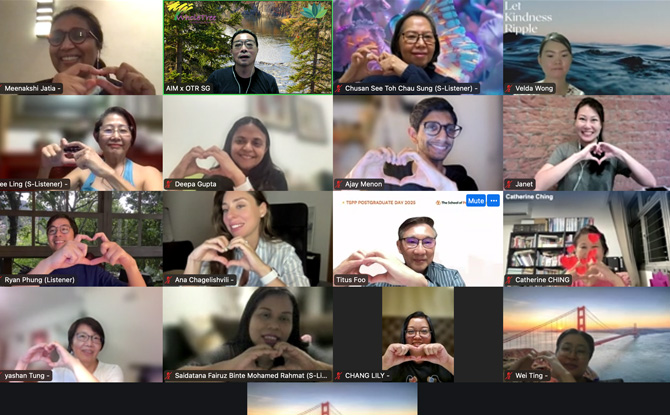
Headlines about school bullying and youth suicide can be frightening for parents. They are a stark reminder of the pressures children face—but they also highlight something important: mental health is a shared responsibility. The most powerful message we can give our children is simple: You are not alone, and your feelings matter.
The call to action is urgent: families, schools, and communities must work together to create safer emotional spaces for children. This begins at home and in classrooms, by fostering a culture of empathy and emotional literacy. Prevention starts with strong relationships—when children trust that adults will listen, protect, and understand them, we can spot challenges early and respond more effectively.
Building these environments requires strong school–home partnerships and a proactive model of care that equips teachers, supports parents, and prioritises mental and emotional wellbeing as much as academic performance.
One way parents and educators can take action is through The OTR Academy, which trains everyday individuals to become frontline mental health champions. Participants learn to notice early signs of distress, listen without judgment, and respond with empathy and care.
Applications for our January 2026 cohort are now open. The Wellbeing Champion course provides practical tools to build foundational mental health literacy and develop intervention skills, helping adults support children effectively at home, at school, and in the community.
When parents, educators, and community members step up together, we create a space where every child feels safe, valued, and supported—and that is how real change begins.
Learn more about The OTR Academy’s January 2026 intake