
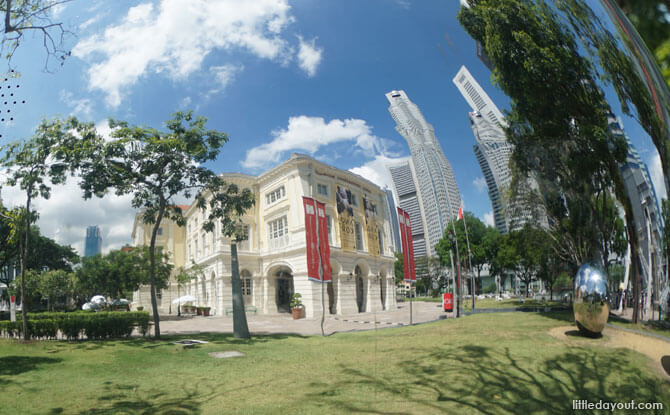
The Asian Civilisations Museum explores the cultures of Asia, including the ancestral roots of the people of Singapore, as well as the many cultures that criss-crossed through Singapore.
The museum is housed in the former Empress Place building which was previously used as government offices. Nowadays, instead of government officials, the rooms are filled with ancient artefacts from all across Asia.
Artefacts at the Asian Civilisations Museum are organised into galleries across three floors. These cover various historical themes. In addition, there is a special exhibition gallery at the rear of the second floor of the museum.
Asian Civilisations Museum: Exploring Exchanges Across Asia
First Floor: Maritime Trade
DISNEY ADVENTURE CRUISE: Guide and Tips to Disney's Latest Ship
MARCH HOLIDAY FUN: 20+ Things to with Kids in Singapore

The first floor of Asian Civilisations Museum focuses on the theme of trade and presents the story of the maritime silk routes.
Tang Shipwreck Gallery
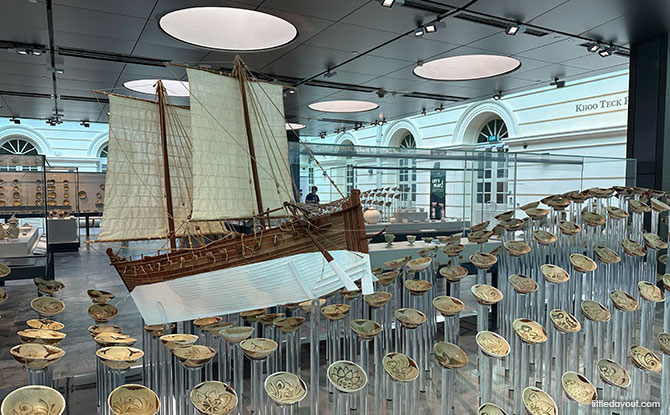
Start off at the Tang Shipwreck Gallery. From the entrance lobby, head towards the left of the building and you will arrive at the Tang Shipwreck Gallery.
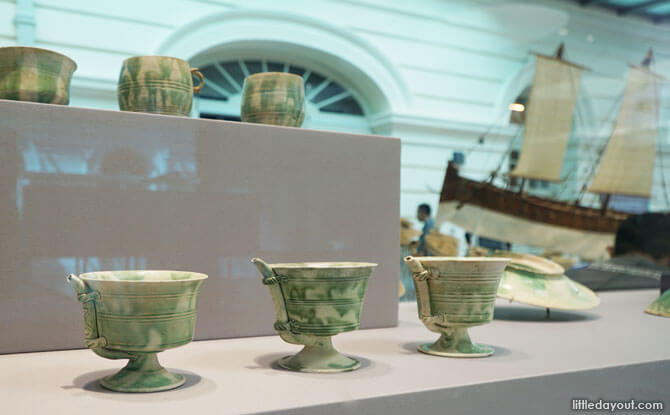
On display is the cargo recovered from a 9th Century shipwreck which was discovered off Belitung Island, about 600 km away from Singapore.
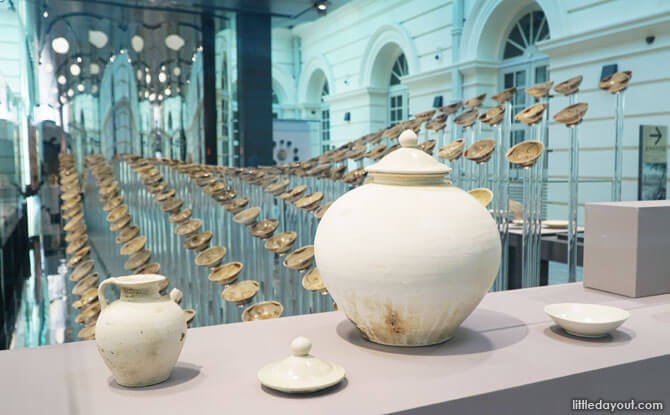
The cargo recovered from the shipwreck includes ceramics, gold and silvewr items dating back to the Tang Dynasty that was bound for the Middle East. The objects tell of the bustling Indian Ocean trade that took place even during that period.
Maritime Trade Gallery
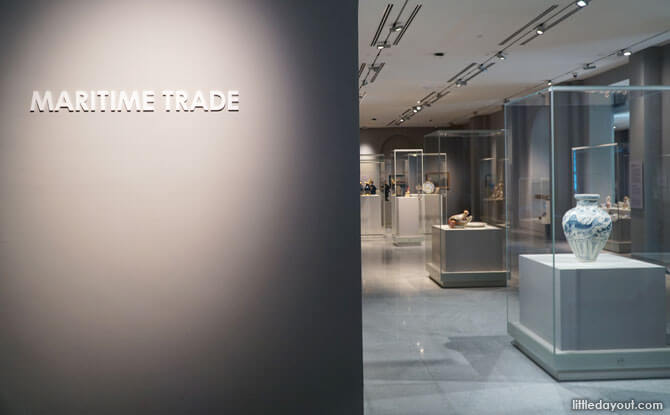
Other exhibits on the first floor include goods – from ceramics to mother-of-pearl products.
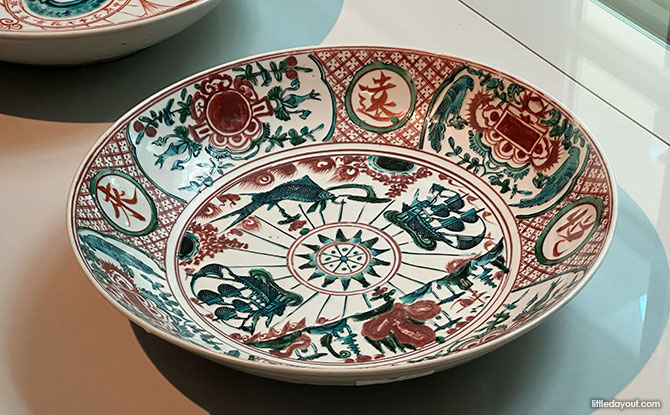
On display in this gallery are will see Chinese, Japanese and Southeast Asian ceramics. There are also examples of furniture and decorative art pieces that were made to be traded around the world.
Singapore Archaeology Gallery
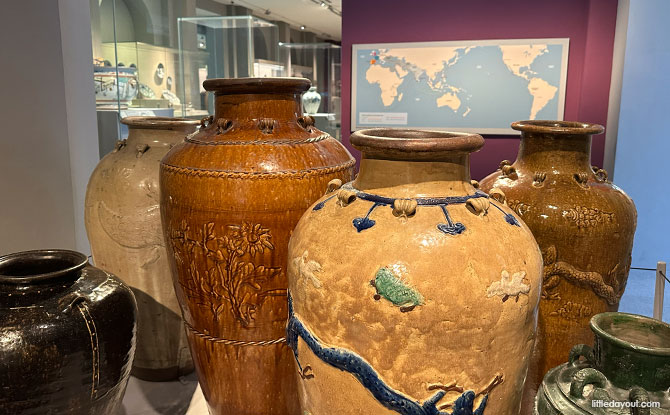
Bringing the story closer to home is the Singapore Archaeology Gallery. On display are where ceramic shards dating back to the 14th century, many of which were excavated just outside the Asian Civilisations Museum building.
They are a testament to how Singapore was already a busy trading settlement even 500 years before the arrival of the British in 1819.
The Court and Company Gallery
On display at this gallery are Indian and Sri Lankan export furniture, textiles, and decorative arts. It contrasts the goods made for trade with Europe with the art made for the Mughal, Rajput, and Deccan courts.
Second Floor: Faith & Belief
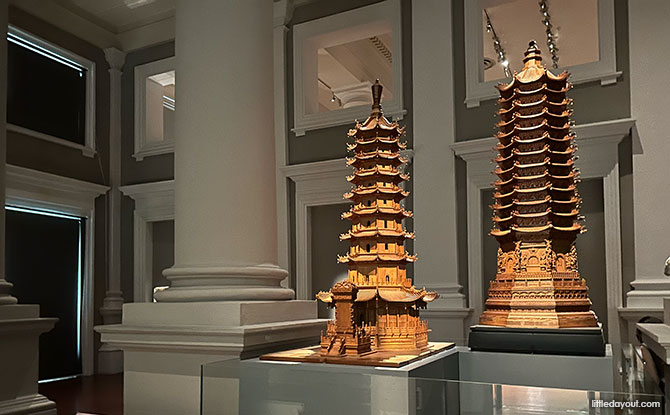
Asian Civilisations Museum’s second floor is devoted to Asian religions. On display are works of art that are part of the living religions of Buddhism, Hinduism, and Jainism.
The various sacred and ritual objects provide an intimate look at personal responses to religion.
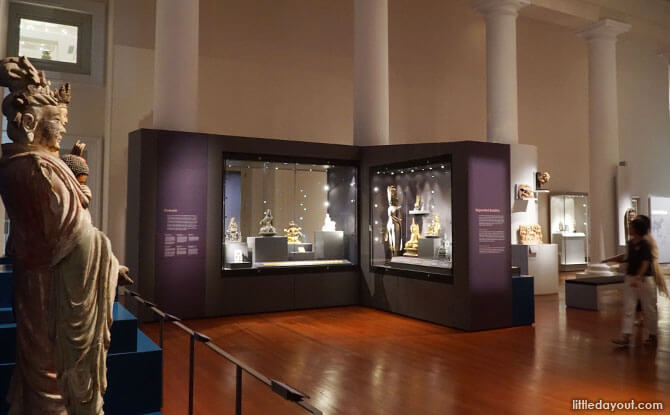
Among the displays are temple sculptures and reliefs from all around Asia.
Ancestors and Rituals
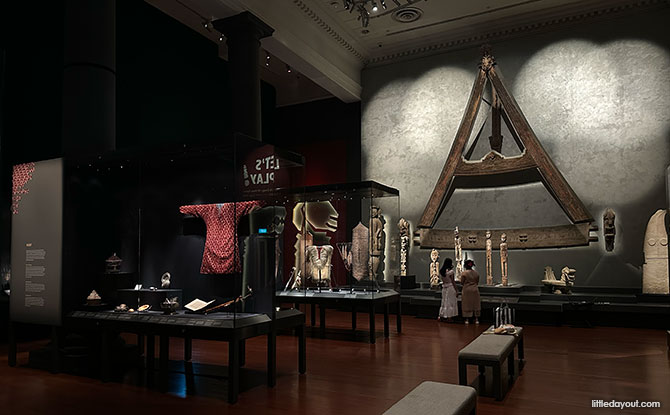
Casting the spotlight on Southeast Asian civilisations, the Ancestors and Rituals gallery focuses on traditions and rituals relating to food, fertility and family.
The various artefacts displayed here tell stories from the cultures of wet rice kingdoms, coastal trading centres, and remote tribal communities.
Art in the Islamic World
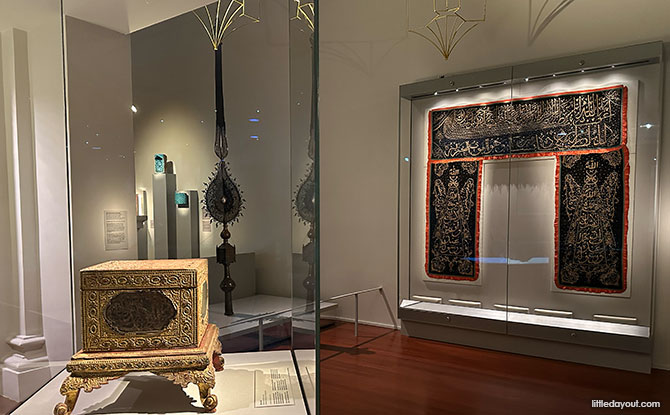
Another gallery is dedicated to how art is seen and perceived to be Islamic. It presents the different artistic traditions that came about from the eastwards expansion of Islam, with a focus on Southeast Asia.
The Islamic Art Gallery also explores the rich variety of Islamic art through secular, courtly and scientific objects that reflect Islamic values and sensibilities.
Christian Art Gallery
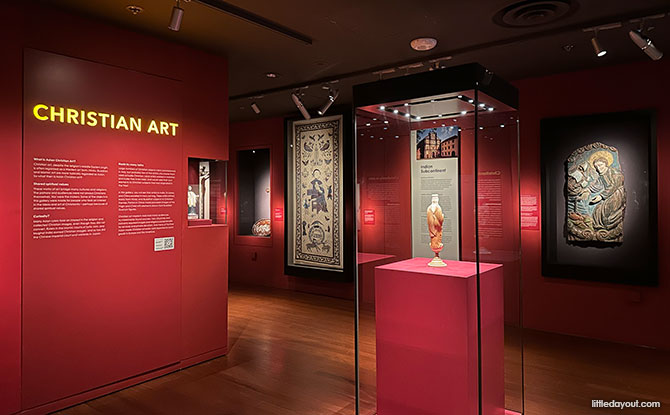
This gallery at Asian Civilisations museum highlights artworks produced by Asian craftsmen from the 16th to the 19th century. Artefacts in the gallery reflect the cross-cultural artistic exchanges between Asia and Europe.
A highlight is a statue of the Virgin Mary. It has Asian features on the face of Virgin Mary and a tucked-in robe at the back known as a suksok, suggesting that it was made in the Philippines.
Scholars Gallery
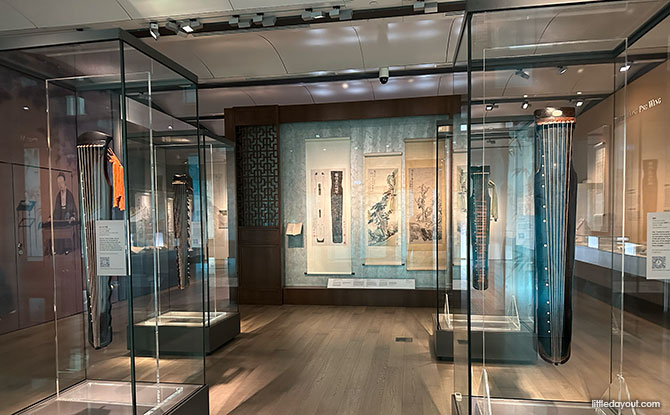
Also on the second floor of the Asian Civilisations Museum is the Scholars Gallery. For centuries, the scholar was an ideal in Chinese culture. Since May 2025, this gallery has been hosting the Elegant Sounds: Music, Craft, and the Literati exhibition, which explores the evolution, symbolism, and role of the qin musical instrument in Chinese literati culture.
Third Floor: Jewellery, Ceramics and Textiles
Accessible only by the central staircase or a back lift, the third floor houses three smaller thematic galleries.
Jewellery Gallery
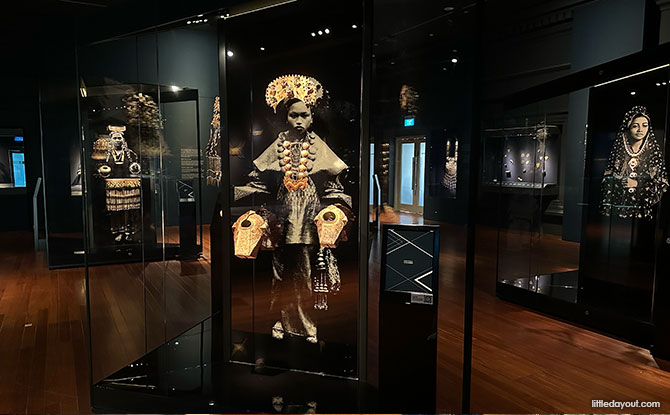
From life to death, jewellery is present at every stage and shares an intimate relationship with its wearer. This gallery provides a look at how jewellery was made to venerate, honour, and lavish care on the body. It also examines how each object was created to embody a language, code and message.
Ceramics Gallery
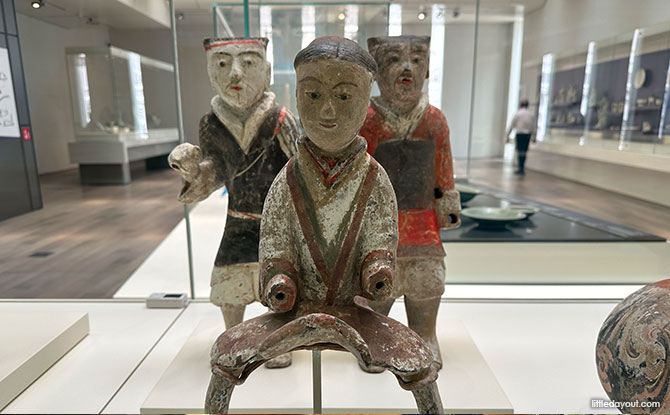
Linked to the Jewellery Gallery is the Ceramics Gallery. This is devoted to Chinese ceramics and include pieces from the Ming dynasty.
Textiles Gallery
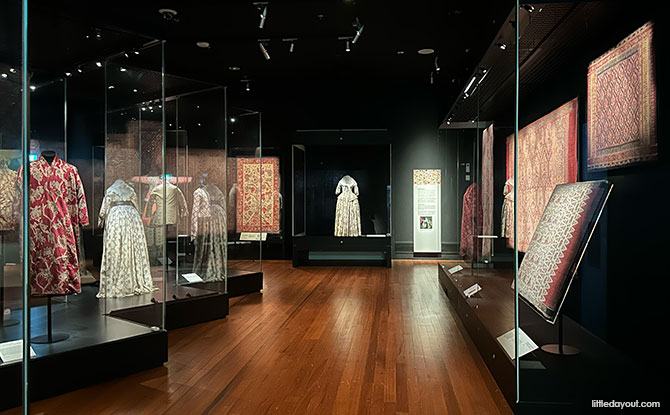
The last gallery on the third floor is dedicated to printed cottons, fine muslins, and luxurious woven silks were produced in India and exported extensively in a global web of trade.
The gallery explores the global impact of these textiles, which influenced local designs, materials, and fashions wherever they were traded.
Special Exhibitions at the Asian Civilisations Museum
The museum regularly hosts changing exhibitions related to the subject of Asian cultures. Examples of such exhibitions include:
- Let’s Play: The Art and Design of Asian Games – this explores the creativity that goesinto the creation of the games we, as a society, used to play, and still play today.
- Manila Galleon: From Asia to the Americas – this traced the historical trade links that connected Asia to the Americas and Europe.
Curiosity Cove
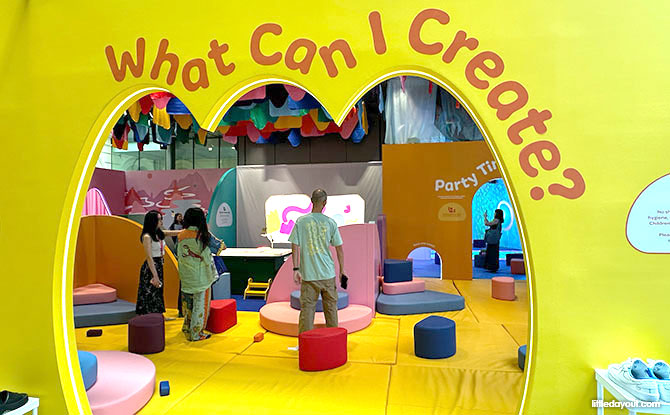
Located on the ground floor at the Contemporary Gallery at the rear of the museum, Curiosity Cove is a new kid-friendly space that provides an introduction to what you can find at the Asian Civilisations Museum.
It features three thematic zones that parents and children can explore together before heading out into the museum.
Read more about Curiosity Cove at Asian Civilisations Museum.
Tips for Visiting the Asian Civilisations Museum
The Asian Civilisations Museum will appeal to visitors who are interested to learn more about Asian cultures, beliefs and practices.
Join a Guided Tour
As the exhibits and topics covered at the Asian Civilisations Museum can be quite heavy-going, one of the best ways to get the most of a visit to the museum is the join a tour where the guide is able to elucidate the significance of the various exhibits.
These tours are held daily in English and in Mandarin on selected Fridays, Saturdays and Sundays. There are also tours conducted in Japanese, Korean, French, German and Spanish on selected dates. Get more details about the guided tours at Asian Civilisations Museum.
Look out for Museum Picks
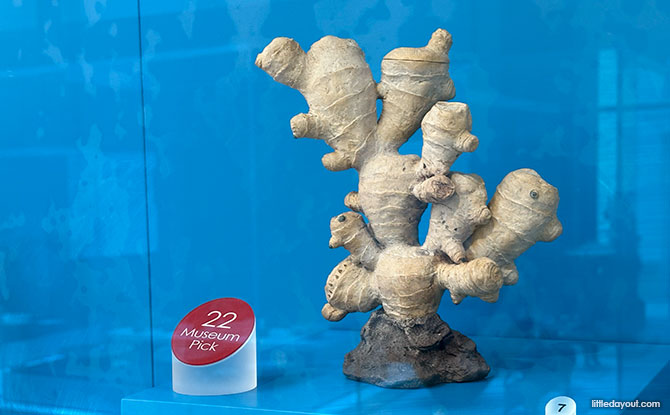
There are many different artefacts on display at the Asian Civilisations Museum. It can be rather overwhelming to look through the cases and read the accompanying displays.
Thankfully, the Asian Civilisations Museum has highlighted some picks that you can look out for. These are marked out with red tags. Use this to focus on these key artefacts in each gallery.
Activity Sheets
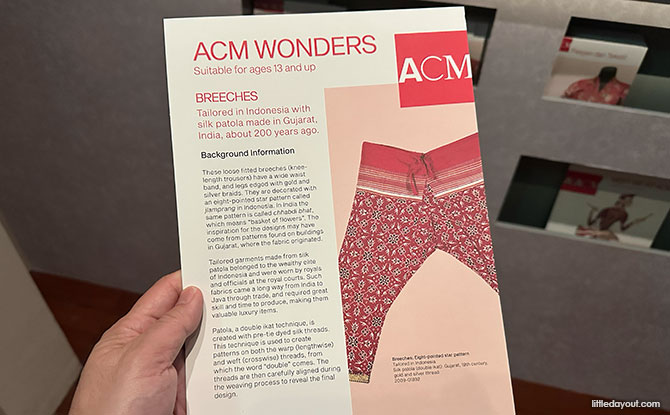
Around the museum, you will also find activity sheet that are catered to young learners of different ages. These offer some suggested activities that families or students can do around the gallery.
These activity sheets are free and can be pick up around the entrance to the galleries.
Restaurants & Eateries at Asian Civilisations Museum
There are two eateries at Asian Civilisations Museum.
Empress
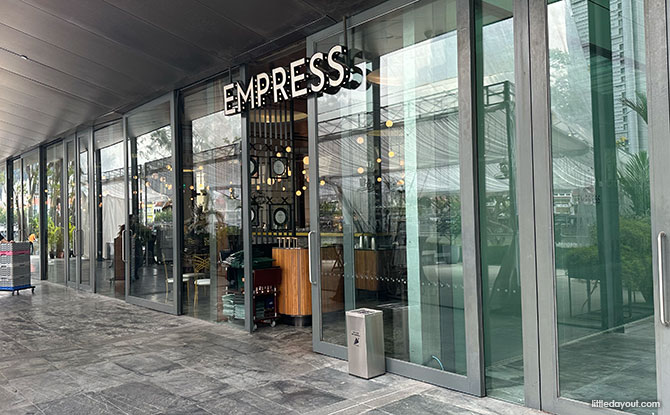
Empress is a smart casual Chinese restaurant for guests who are looking to have an uplifting and lively dining experience. Offering a contemporary setting with both indoor and alfresco dining options by the Singapore River waterfront.
Chagee (Opening Soon)
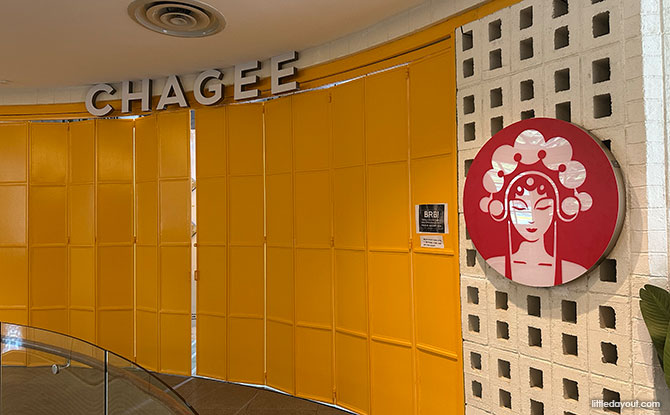
The tea brand Chagee also has an outlet at Asian Civilisations Museum that will opening soon.
Asian Civilisations Museum
Where: 1 Empress Place, Singapore 179555
Website: Asian Civilisations Museum