
Singapore has a diverse and vibrant arts scene – one that is very accessible to kids and families. Arts events held throughout the year along with family-friendly venues mean there are many ways for families to experience the arts, many of which are free-of-charge!
Wondering why you should take your children for an arts experience? Or how do these moments benefit your child’s development?
We spoke to three parents in various seasons of parenting to find out why they chose to make the arts an absolutely essential part of their children’s childhood!
The arts offer immense benefits for young ones – whether they are tiny babies, crawling toddlers, preschoolers or primary-schoolers. Besides nurturing creativity, confidence, emotional intelligence and crucial motor skills, the arts help establish a solid foundation for life!
DISNEY ADVENTURE CRUISE: Guide and Tips to Disney's Latest Ship
MARCH HOLIDAY FUN: 20+ Things to with Kids in Singapore
Sparking a Sense of Wonder in Babies & Toddlers
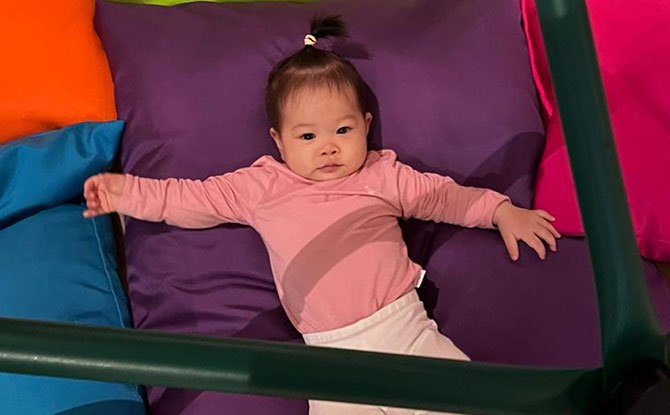
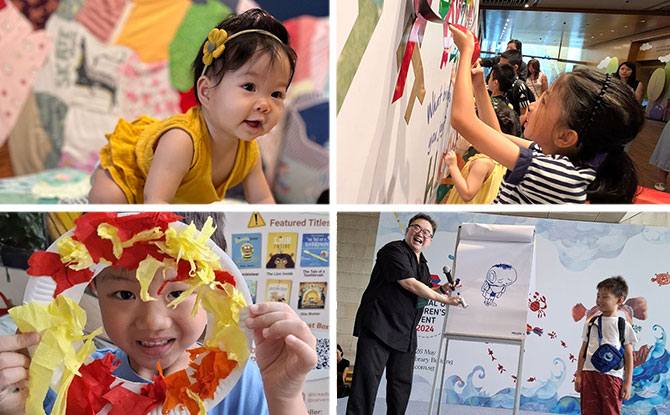
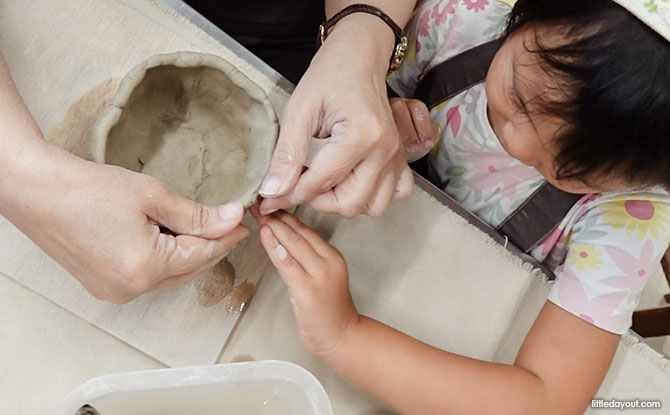
For babies, the arts help develop sensory and gross motor skills as they respond to rhythm and movement, and take part in simple activities like playing with playdough or having fun finger-painting.
Magdalene, a former preschool educator, shared, “The joy that art experiences bring to my children is a true delight to witness. I’ve seen their eyes widen at vibrant colours, how music can literally move their little bodies, and how they can dance without inhibitions.”
Magdalene noted that the experiences also motivated her two-year-old to crawl around, leading to stronger motor skills and confidence to move about in a safe space.
“When my son was a baby, art programmes, especially those at The Artground, helped motivate him to crawl around. This helped him develop stronger motor skills and the confidence to move about in a safe space.”
Exposing babies and toddlers to arts programmes also helps stimulate neural connections, empowering them to develop cognitively and verbally.
“As a toddler, art programmes encouraged my son to express himself with his words. With more experiences, he is also exposed to more vocabulary, which has helped his language development grow exponentially,” she added.
Expanding the World of Preschoolers
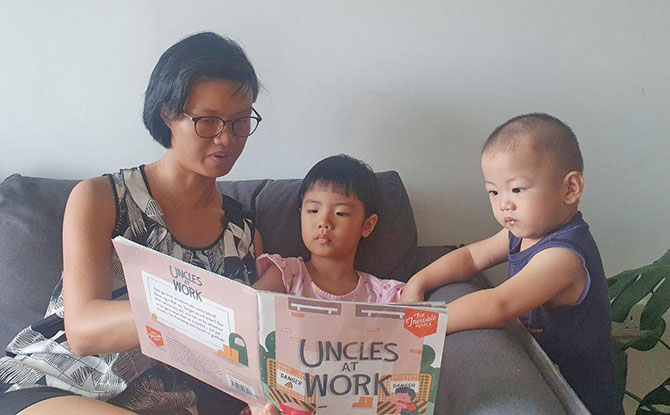
As toddlers become preschoolers, the arts provide a channel for them to express themselves while learning social and creative skills. Unlike enrichment programmes with fixed objectives, the best thing about the arts is its open-ended nature. It does not limit creativity or self-expression and provides opportunities for children to exercise cognitive and problem-solving skills in a fun way.
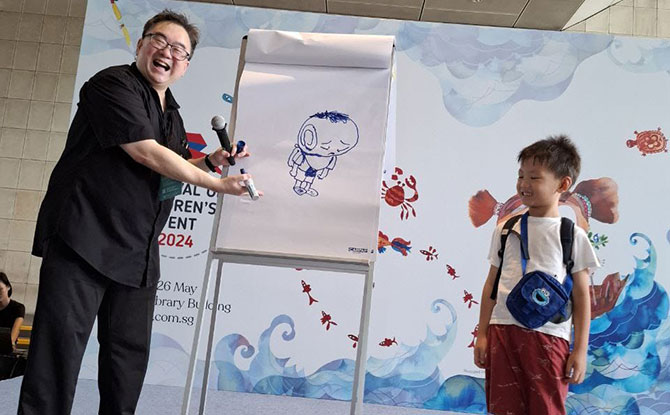
Ames, a children’s book author, frequently takes her three children to book launches, storytelling sessions, craft sessions and music performances. She believes the arts should be very much a part of children’s lives.
“With the arts, kids are constantly creating, making meaning or performing. In fact, they are artists themselves! They love tactile experiences the best. Fabric they can touch. Paper they can cut. Or even different textures of wave forms, sculptures and the like. Where allowable, they touch any and everything. That’s how they seem to learn best.”
Ames also loves the empowerment that the arts give to preschoolers. Holding crayons, scissors and brushes refine fine motor skills and are a precursor for more advanced tasks such as writing.
Expectant mum Audrey, who has two preschoolers 6 and 4 years old, agrees on the power of open-ended play.
“With our very busy lives in Singapore, it takes intention to set aside time and resources to engage with the arts. There are few moments where we are not rushing, or doing something toward a very specific objective. It is all the more important to encounter the arts, to explore freely, and discover different perspectives; these things help a child develop empathy, resilience and creativity — skills necessary for their development into a well-rounded person,” she said.
Critical Thinking, Analysing and Growing as Primary-Schoolers
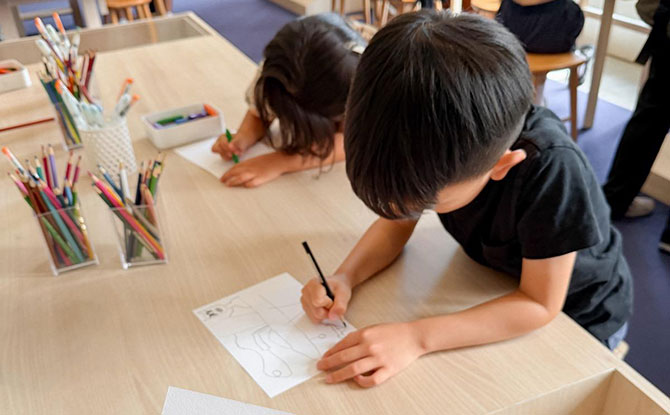
Far from being passive activities, viewing an art work, watching a performance and reading literature are all art forms that not only engage the child, but also enhance his or her critical thinking and visual-spatial processing skills.
Audrey believes that “offering a diversity of experiences cumulatively forms the child.” That’s why her family regularly enjoys theatre performances, dance, music and gallery visits.
Ames also sees the benefit of exposure to the arts for her two primary schoolers. “Regularly immersing ourselves in the arts means that we see the beauty around us more easily and we are on the lookout for it all the time. After spotting details in an oil painting of the Singapore River at National Gallery Singapore, such as the tiniest fishes in baskets on bumboats, we can then take our trained eyes home and spot a ladybird on the bushes downstairs or the sea eagle circling our estate high above. We are in awe because there is art and beauty all around us, waiting to be admired and enjoyed.”
Exposure to different art forms and artists hones one’s appreciation for life – and why not start from a young age!
Welcoming All – Where to Go for Arts Experiences
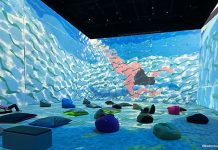
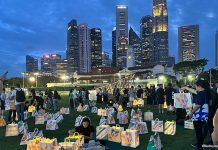
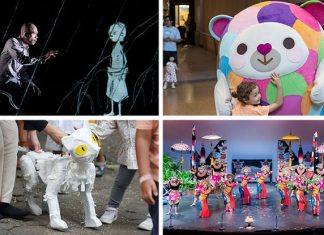
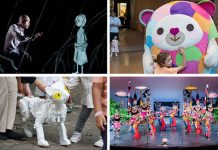
The good news is that arts experiences are plentiful in Singapore. Exhibitions, installations, shows, street performances and festivals are great places for families to start.
Many of the events are free for citizens and have child-centric programmes.
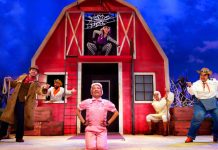
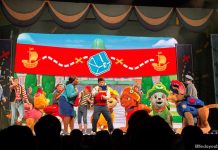
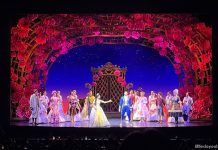
Audrey suggests that parents take their children to child-friendly experiences such as relaxed performances where children are free to move around, or even move in and out of the space if needed.
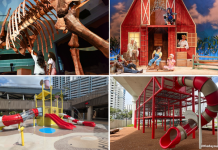
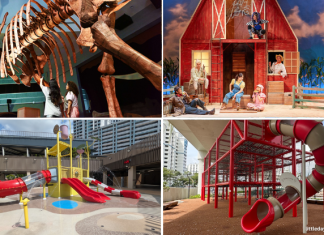
Venues such as Esplanade – Theatres on the Bay PIP’s Playground, Singapore Art Museum’s Learning Gallery at Tanjong Pagar Distripark, and The Artground are places that offer family-friendly programming. The National Arts Council’s initiatives like ArtsEverywhere@CDC mean that the arts can even be regularly experienced in your own neighbourhood.
Life. Better with the Arts
The arts deliver multi-faceted benefits for children at every stage of development – from sensory exploration for a baby to developing critical thinking skills of in a primary-schooler.
As parents, we have seen the growth first-hand with exposure to the arts nurturing creativity, self-confidence, emotional intelligence and crucial motor skills – all of which pave the way for future success.
Beyond a child’s individual growth, experiencing the arts together as a family is also a powerful source of bonding. Attending arts events create meaningful and magical memories, strengthening social connections through shared imagination.
Let your child build essential skills through the arts today! Find out more about National Arts Council’s “Life. Better with the Arts” campaign here: go.gov.sg/nmnm9q.
This feature is brought to you by the National Arts Council.